


 Contacts
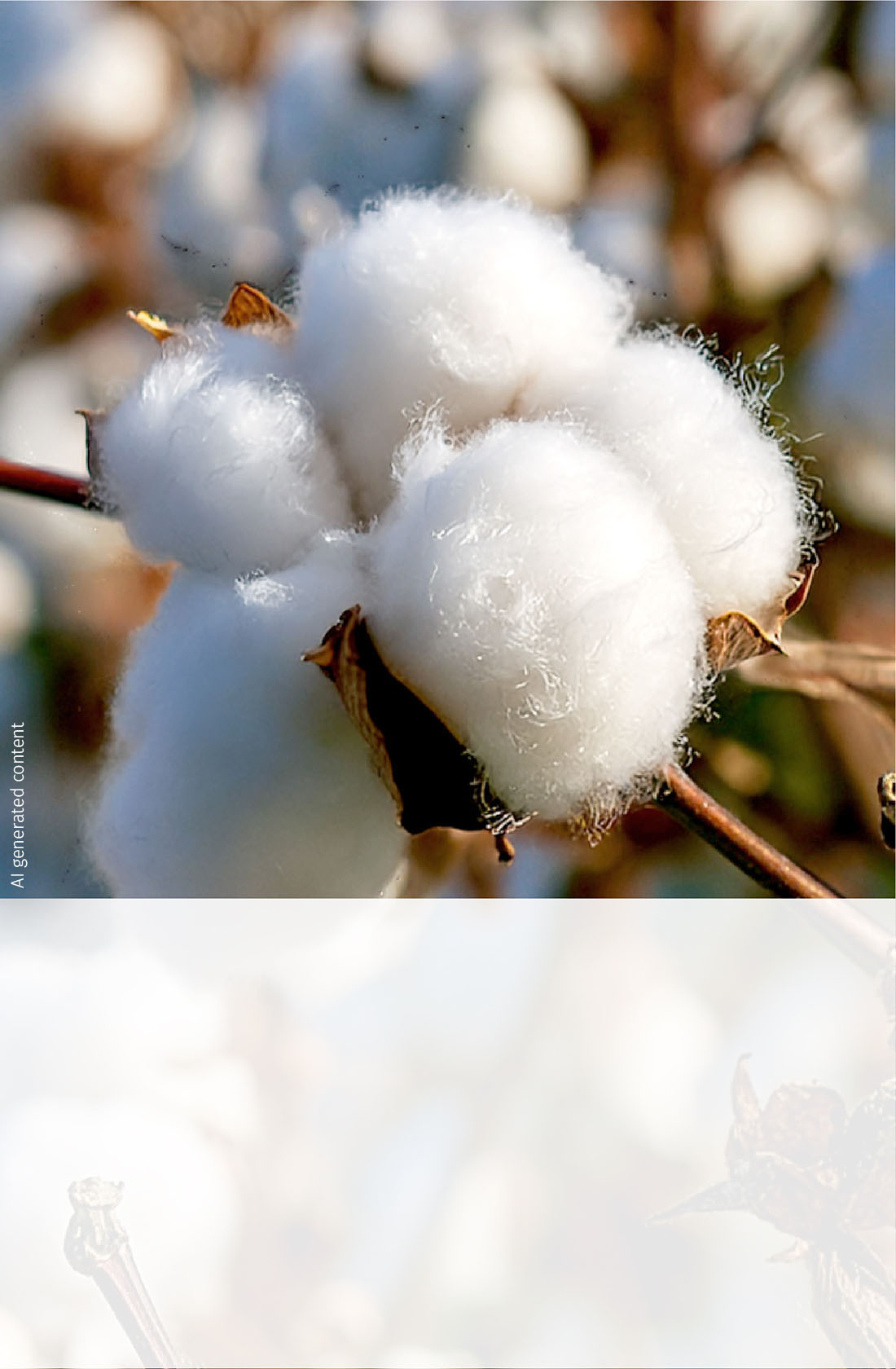
Payper cotton is increasingly sustainable
Unlike
conventional practices, organic cotton proves to be the most environmentally friendly and responsible choice, as it requires 91% less water and significantly reduces greenhouse gas
emissions. Traditional cultivation, in fact, is an increasingly inadvisable
practice, as, in addition to involving a large part of the cultivated surface,
it involves the use of more than 24% of the world's pesticides and 11% of
insecticides, negatively impacting not only the agricultural communities and
the soil, but also water waste.
The adoption of organic farming methods for natural fibres therefore seems to be the right alternative and sustainable response to this problem. For this reason, in recent years, Payper has decided to undertake a responsible production process, which takes into account the new cultivation techniques and the positive impacts that they can have on the environment and on local communities.
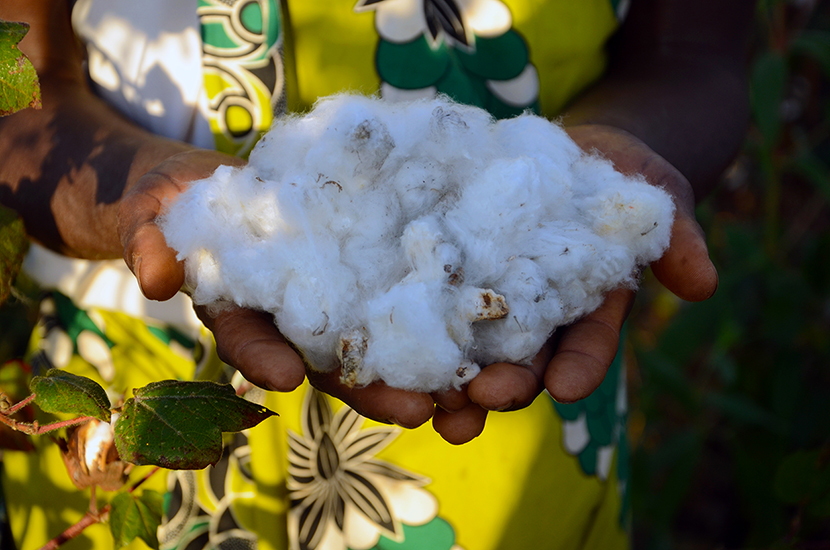
PAYPER MEMBER OF BETTER COTTON
Since
2022, Payper has proudly been a
member of Better Cotton, the
largest cotton sustainability program in the world. The objective is to make
the cotton supply chain more sustainable at a global level, promoting
responsible cultivation and irrigation techniques, as well as promoting
dignified working conditions, for an effective management system.
PAYPER FOR GOTS
Since
2023, Payper has achieved another important milestone, obtaining the GOTS (Global Organic Textile Standard) certification for its items. This international recognition is one of the most
prestigious quality standards for textile products. The certification also
ensures compliance with the environmental and social sustainability criteria
which are applied in all phases of production.
HOW TO MAKE GARMENTS LAST LONGER?
Taking
care of cotton items is essential to preserving quality over time. To do this,
just follow some simple tips:
- Follow the washing instructions on the label;
- Washing: use a delicate wash program to preserve the shape and colour of the garment;
- Wash inside out: to protect the external surface of the fabric and preserve even the most intense colours;
- Use delicate detergents: to avoid damaging the cotton fibres;
- Drying: avoid drying garments at high temperatures and exposing them directly to sunlight, to avoid shrinkage and colour loss. It is preferable to dry the garments in the open air to maintain their softness;
- Ironing cotton: use a low temperature, so as not to burn the fibres and moisten the garment before ironing it, so as to use little pressure and reduce creases forming;
- Store items correctly and favour the use of hangers for shirts and jackets.