


 Contacts
Workwear: from work tool to style
The history of workwear tells the story of an evolution: from simple, practical, durable workwear to a style element characterised by more or less recognisable aesthetic features. Indeed, we are witnessing a growing fusion and intermingling of workwear, sportswear, casual wear, and fashion. The latter increasingly emphasises the technicality of the materials and the performance of the workwear, while the use of aesthetic details in workwear is growing, thereby enhancing professionalism and—in many cases—strengthening identity.
How workwear influences the fashion world
Jeans, polo shirts, and sweatshirts are the cornerstones of workwear,
created to improve the performance of miners, English polo players, and
American football players, respectively. Denim
jeans were born as robust and durable work trousers, capable of
withstanding friction, daily wear, and intense stress. Polo shirts were born from an insightful idea: to create a more
practical and comfortable alternative to the traditional shirt in sportswear. Sweatshirts were also designed to meet
athletic needs, creating clothing that is more breathable and lightweight than
conventional sweaters.
Not only are the materials gaining traction, but also many patterns and
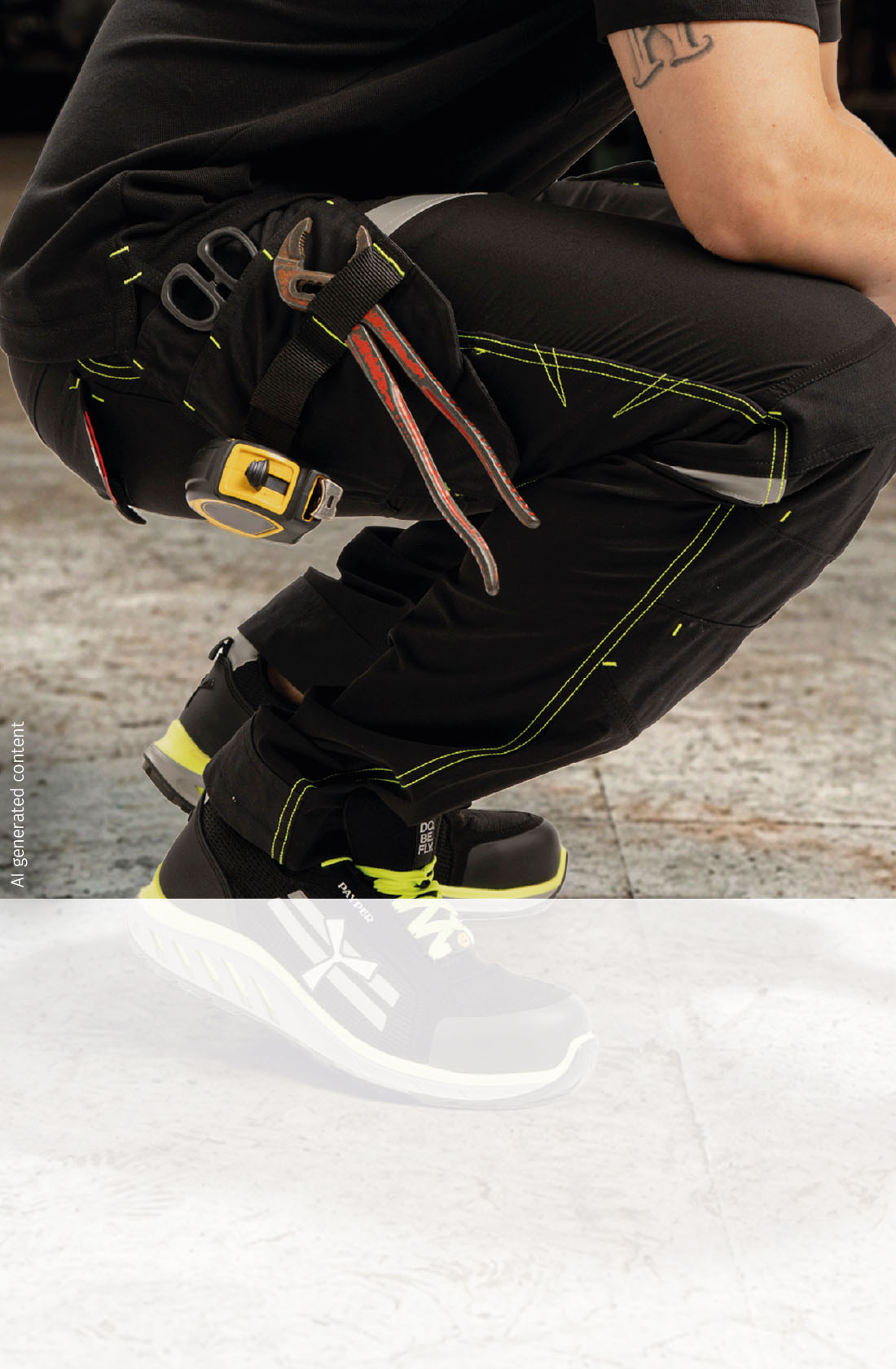
textures, such as military-inspired camouflage and the functional pockets
typical of work trousers.
What emerges is a growing demand for garments that are reliable and durable, yet also aesthetically pleasing,
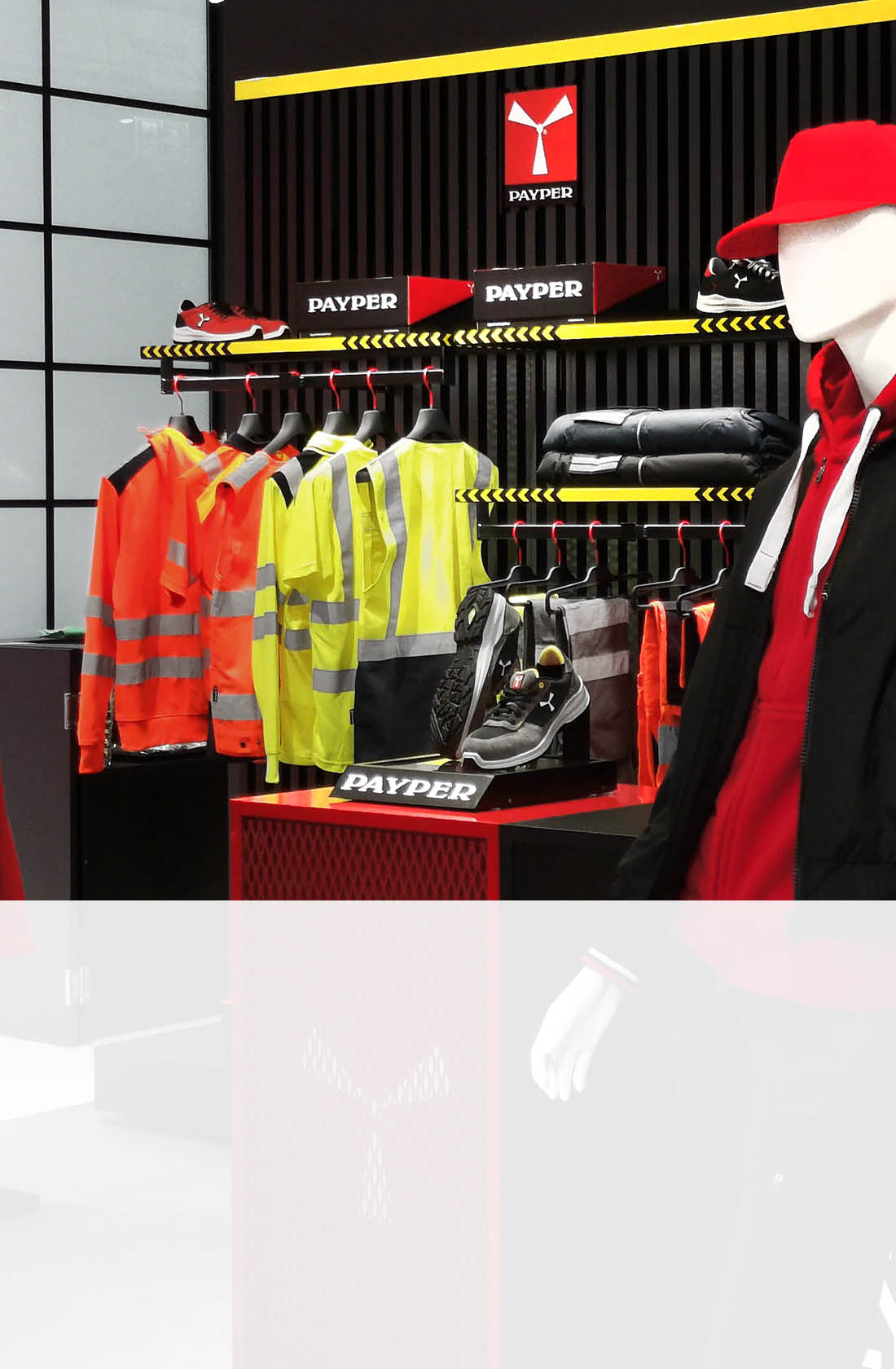
capable of providing an immediate visual identity. This is where the Payper
collections come in, integrating next-generation fabrics—stretchy, breathable,
and durable—with a modern, recognisable design.

How has workwear changed?
The evolution of workwear has not only affected the materials, which are
less rigid and more breathable, but also the colours and fit. People are
beginning to favour more comfortable silhouettes and brighter hues compared to
dark shades, which were once considered ideal for hiding stains. Examples
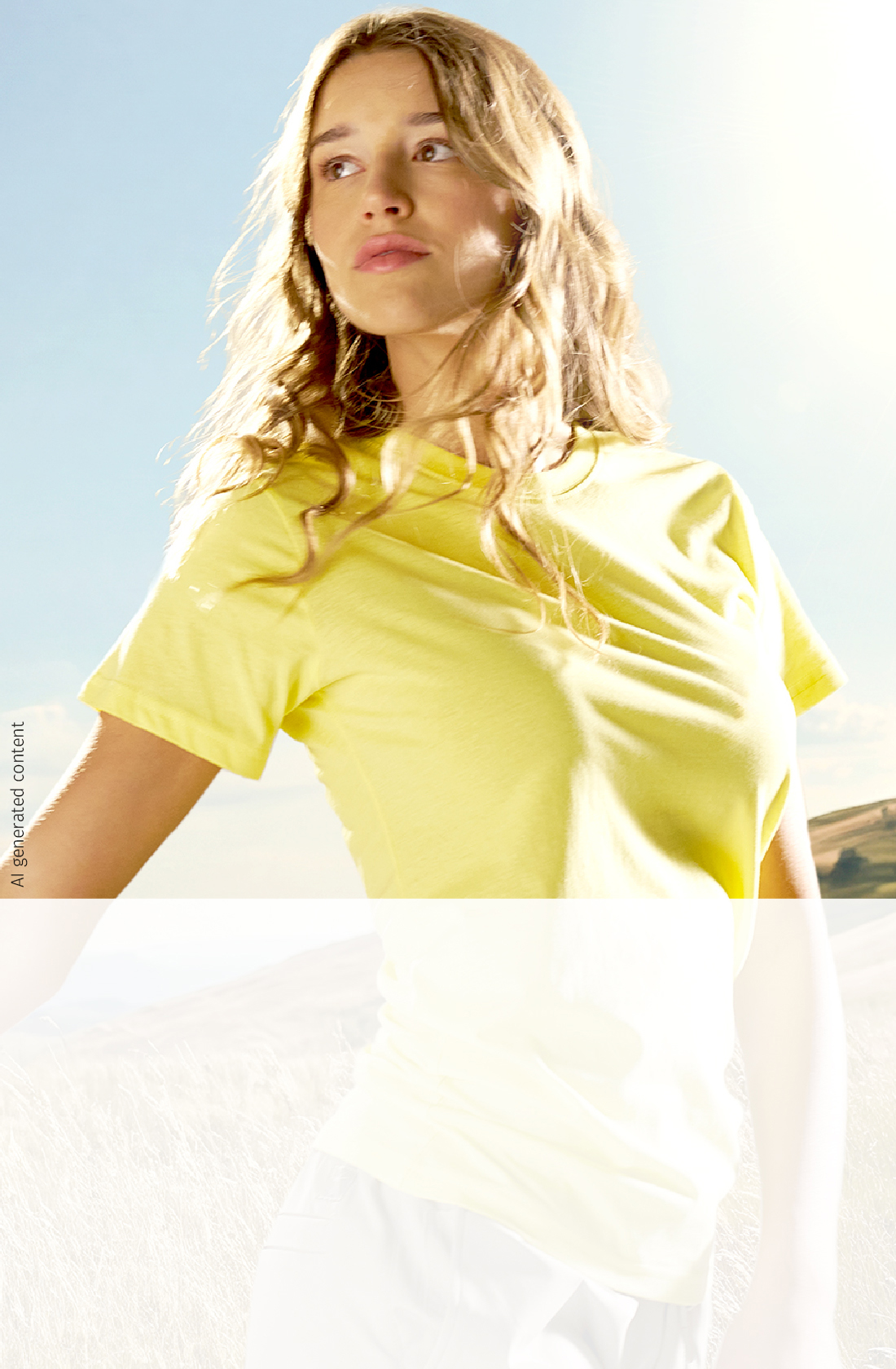
include Payper's iconic t-shirts,
featuring a wide colour palette, and the new
clothing lines which feature soft fits and relaxed cuts, exuding effortless
elegance.
The emergence of new professions and the introduction of increasingly
stringent safety standards have made specialising in certified workwear essential, combining quality, durability, and
safety.
Many sectors require garments that are not only resistant and
long-lasting but also protective. This is how PPE (Personal Protective
Equipment) was born, regulated by specific standards and designed to respond to
different levels of risk, ensuring—among other things—high visibility,
waterproofing, and protection from the cold, heat, flames, and chemical agents.
Even in high-protection PPE, Payper's attention to detail becomes a distinctive
feature, transforming technical elements into recognisable signs of safety and identity.
The evolution continues: from function to identity
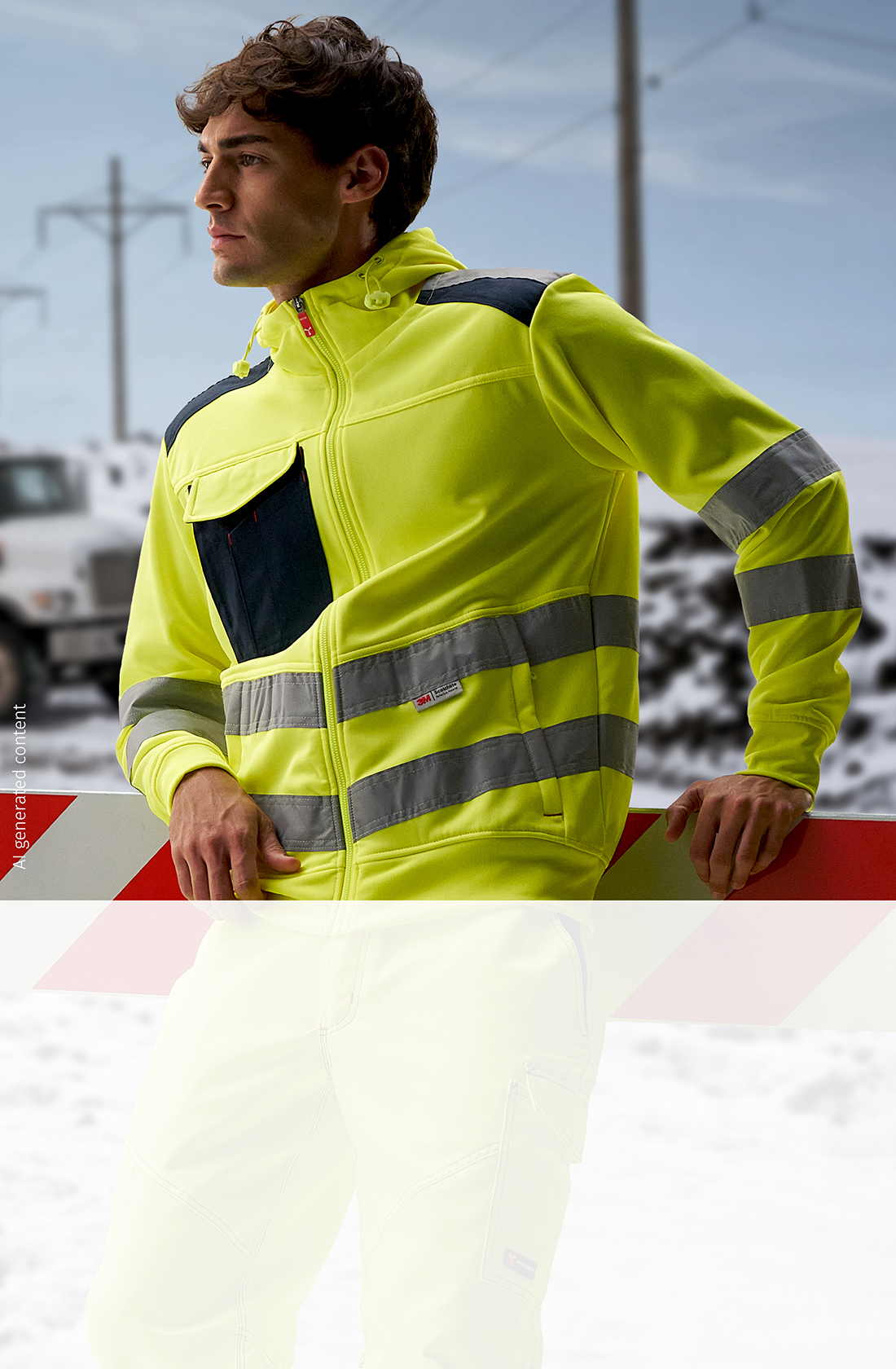
Today, Payper apparel brings together certified safety, advanced comfort, durability, and recognisable design.
From high-visibility garments to intrinsically antistatic pieces, from
technical jackets to padded soft-shells, and even to broader designs that blend
with casual, street, or leisure wear, the range continues to expand without
losing its distinctive character.
The Payper design becomes an integral part of all projects, where
technical elements, volumes, and colour palettes coexist harmoniously with
aesthetics and functionality. Our collections demonstrate that high performance
need not come at the expense of aesthetics, allowing garments to become a
genuine expression of both personal and professional identity.