


 Contacts
Our sustainable impact
New energy for the future
Our commitment focuses on the pursuit of
innovative solutions aimed at gradually increasing positive impacts on the
environment. Indeed, each of our choices stems from a careful analysis of the
risks and benefits associated with it. Within the framework of our
Environmental Management System compliant with ISO 14001:2015, we
periodically update our environmental risk analysis with the objective of
assessing in detail every activity carried out and the potential risks
associated.
Although the Group is not directly involved in
all product manufacturing processes, we are committed to making the entire
value chain efficient, with the aim of providing as Transparent an analysis as
possible of the environmental impact generated throughout the entire supply
chain: from production, to use, through to product disposal.
For this reason, as stated in the current
Sustainability Report, each year we quantify greenhouse gas emissions produced
directly from sources that the company owns or controls (Scope1),
indirect greenhouse gas emissions from purchased or acquired energy (Scope
2) and indirect emissions generated by activities outside the direct
control of the organisation, but associated with our activities (Scope 3).
ENVIRONMENTAL RISK ANALYSIS IS ESSENTIAL TO ASSESS ACTIVITIES AND OPPORTUNITIES FOR IMPROVEMENT.
Energy consumption and emissions
Our Group is actively committed to quantifying
energy consumption and emissions produced. Our headquarters is equipped with a photovoltaic
system which enables us to cover a significant portion of our requirements.
Furthermore, we have chosen not only to purchase exclusively energy from
renewable sources certified through guarantees of origin, but also to
promote, as stated in the current Sustainability Report, initiatives aimed
at reducing environmental impact, such as: adoption of hybrid vehicles,
installation of charging stations dedicated to electric vehicles, filtered
Water dispensers for employees' use, to reduce plastic bottle waste and proximity
sensors, which, by regulating light intensity based on human movement,
significantly reduce electricity consumption.
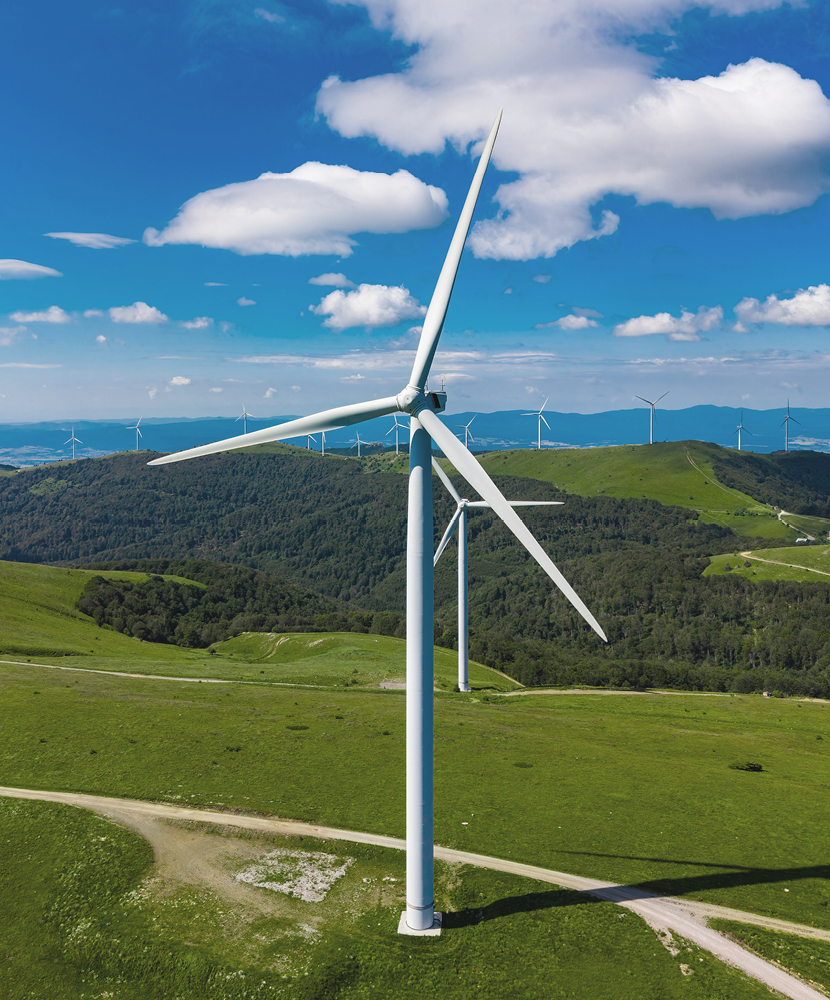
85% OF ELECTRICITY COMES
FROM CLEAN ENERGY.
The
most significant emissions mainly concern transport and distribution both
upstream and downstream. In this regard, research is underway aimed at
identifying means of transport and technologies capable of significantly
reducing the impact of our production.
Sustainable packaging management
All products that we place on the market are
provided with appropriate primary and secondary packaging, depending on the
type and function. Among these, paper and cardboard, plastic and wood are significant.
Over time, we have introduced various initiatives in order to reduce impacts
related to material consumption and packaging waste generation. In
particular, cardboard packaging is reused until reaching a minimum tolerable
quality threshold and the use of plastic bags has been significantly reduced.
Where product characteristics allow, we have chosen to package more than one
item in the same polybag and to use 100% recycled plastic packaging
certified GRS.
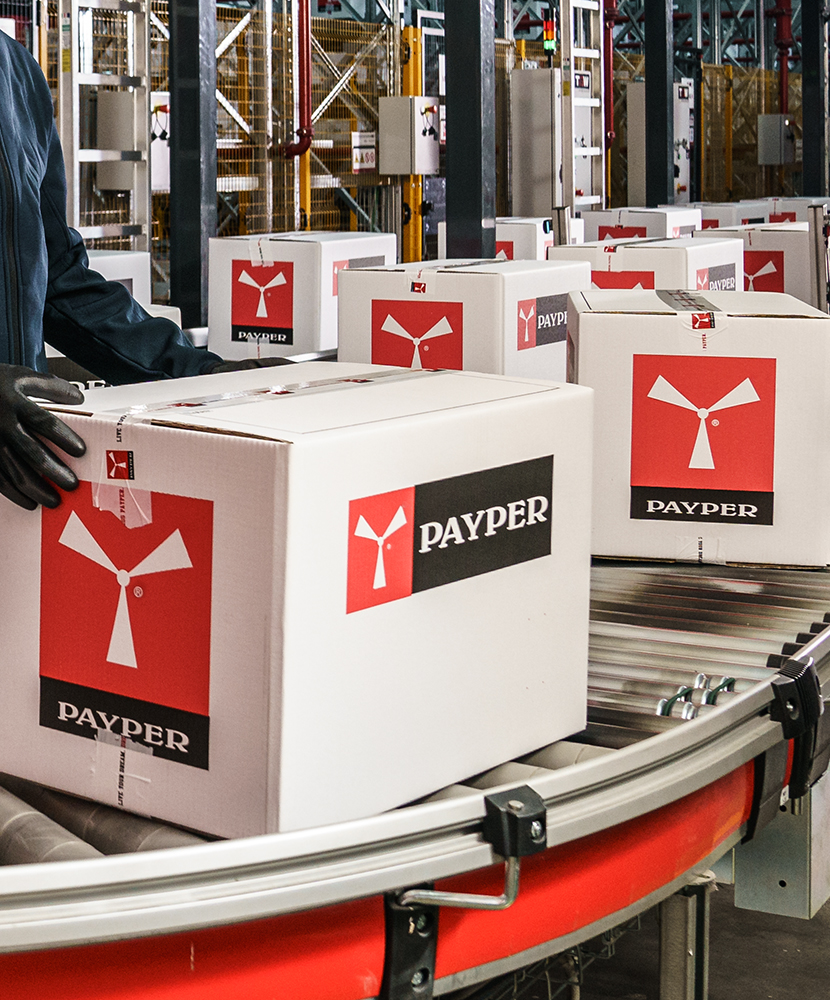
84% OF THE CARTONS WERE REUSED FOR RE-PACKING
Finally, each item is accompanied by the Digital
Passport, a digital tool that allows us to provide consumers with all the
necessary information regarding the composition of the garment, the countries
in which the main production phases take place and the correct sorting of the
product and packaging. Access to the Digital Passport is via the QR code
located on the cardboard packaging or directly on the product page.